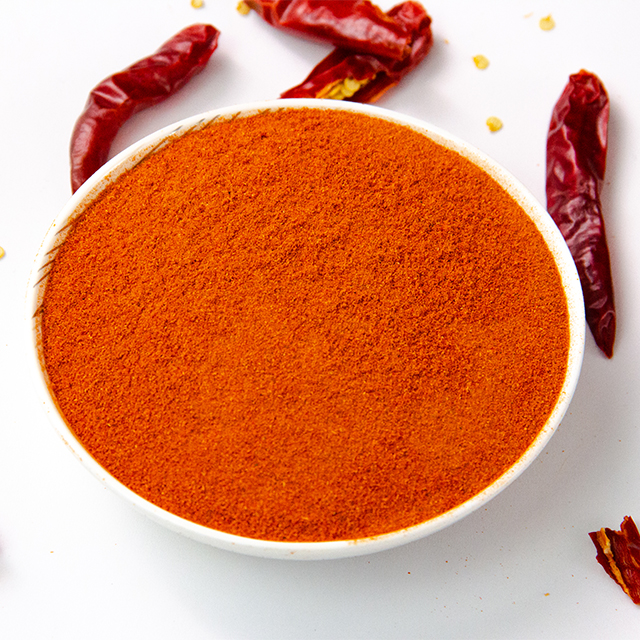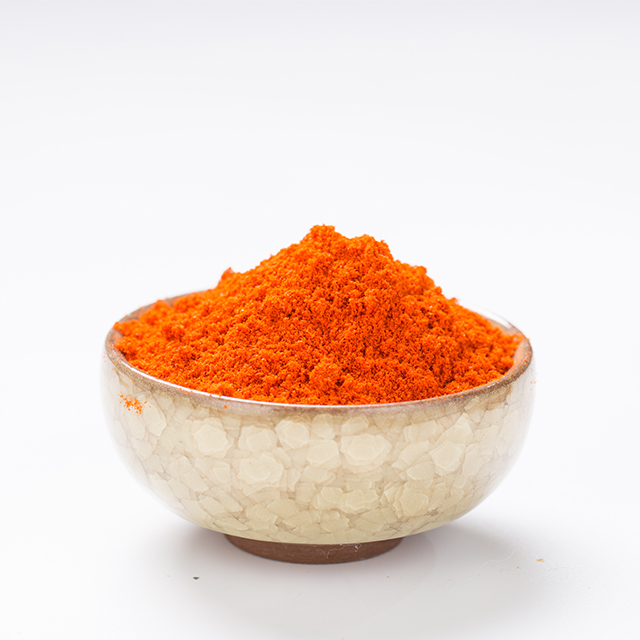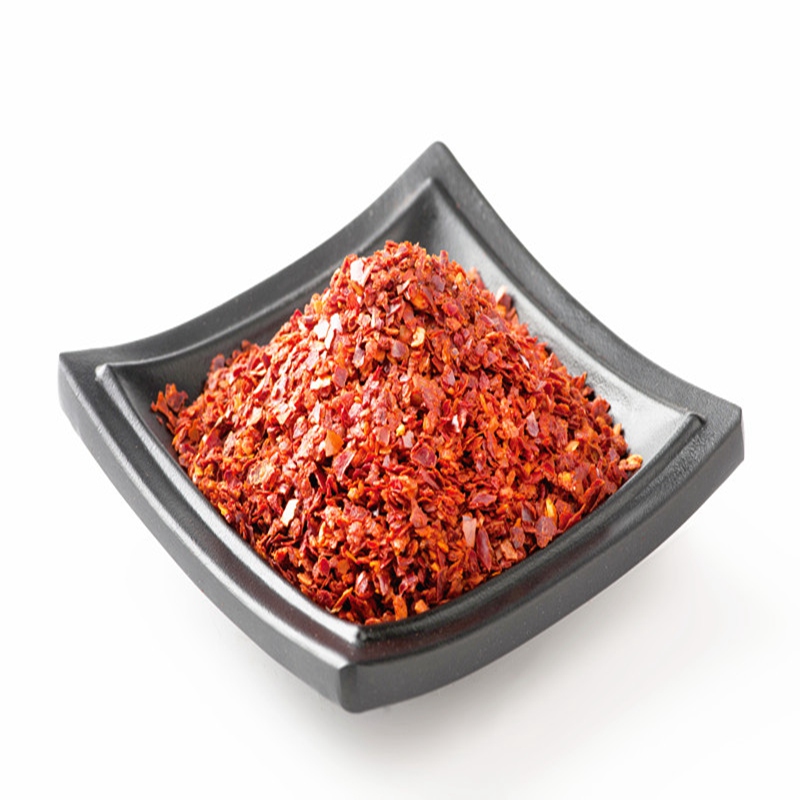
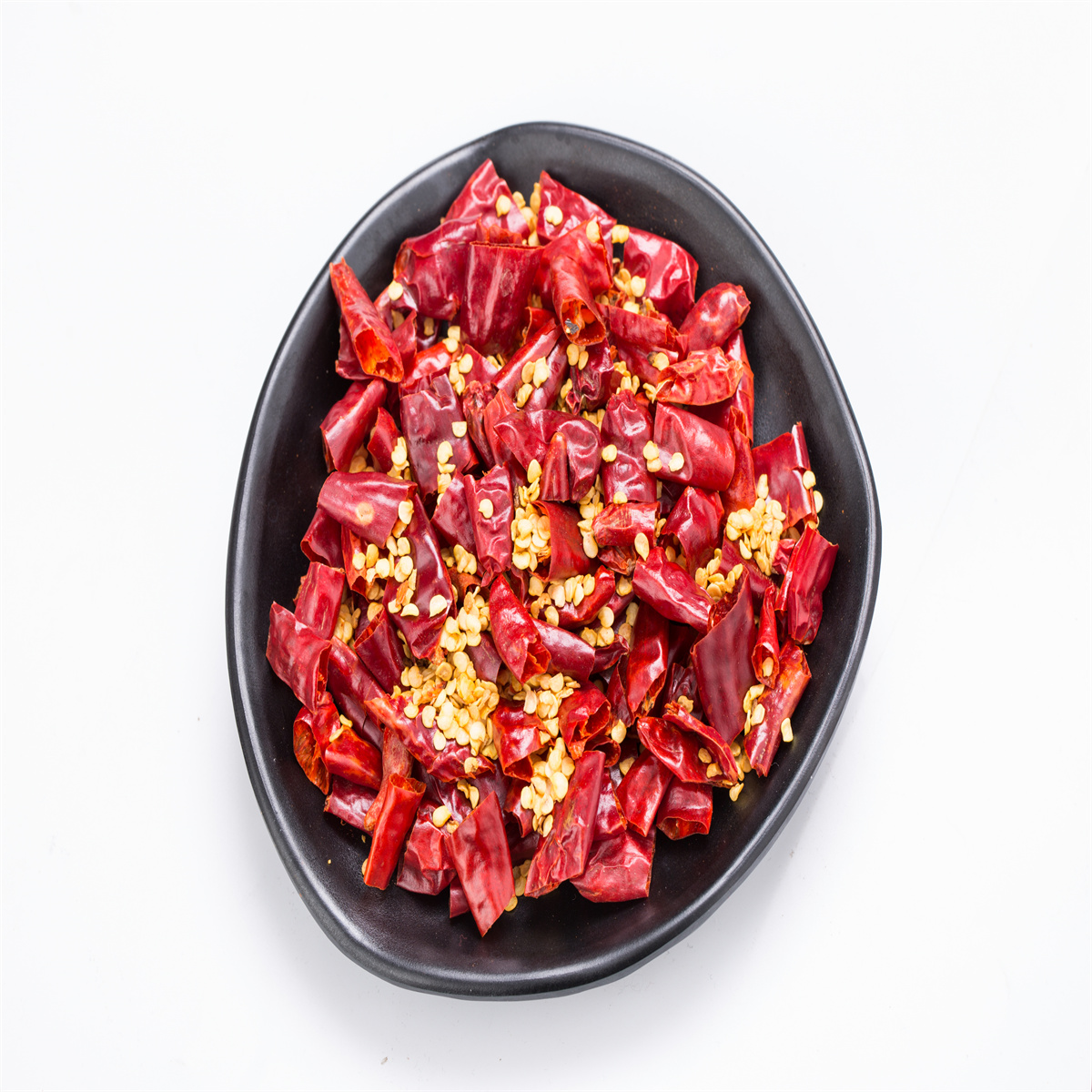
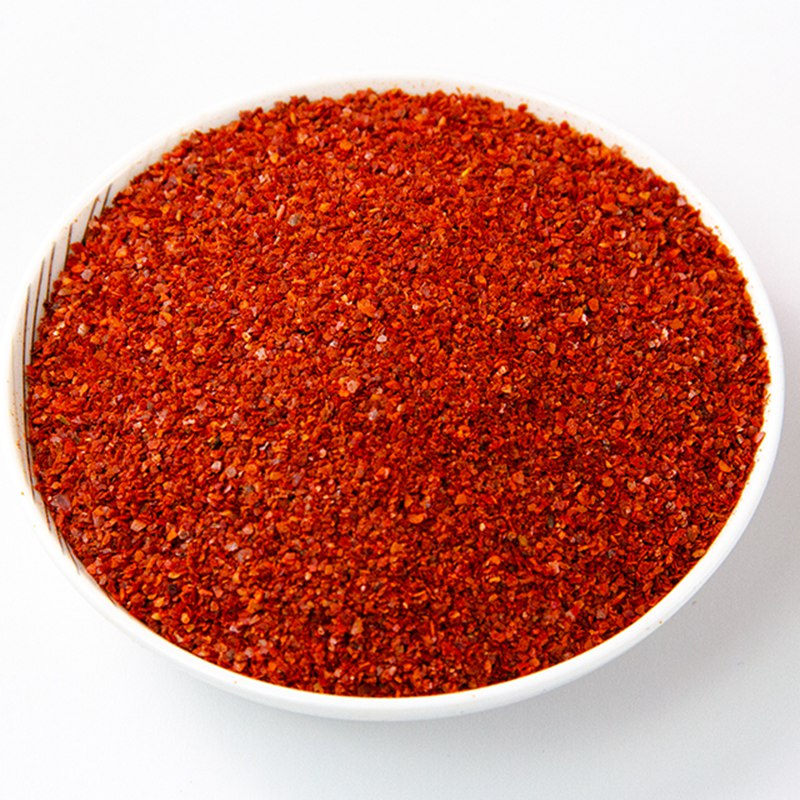
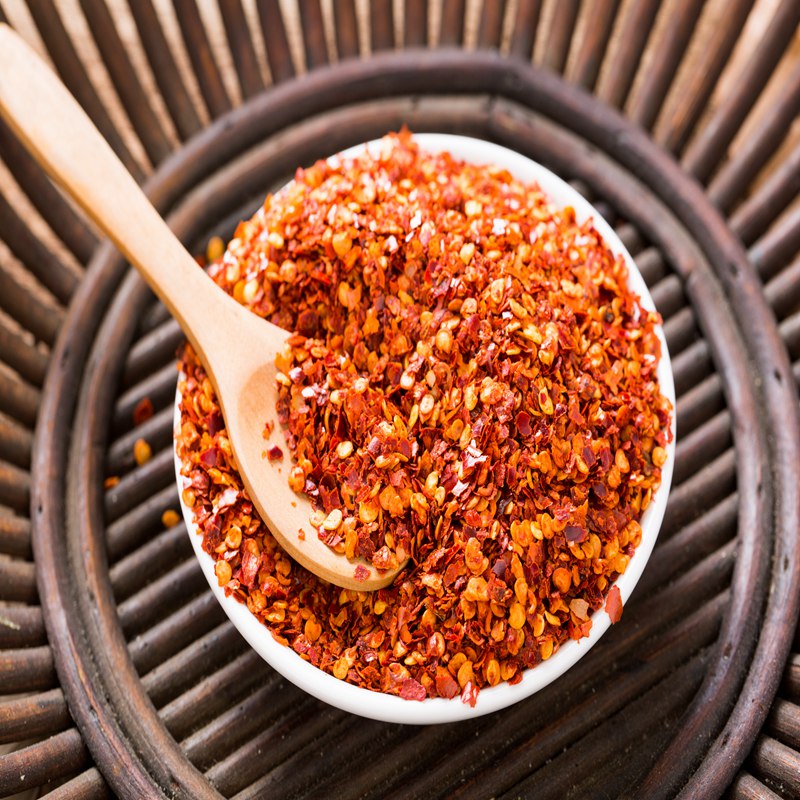
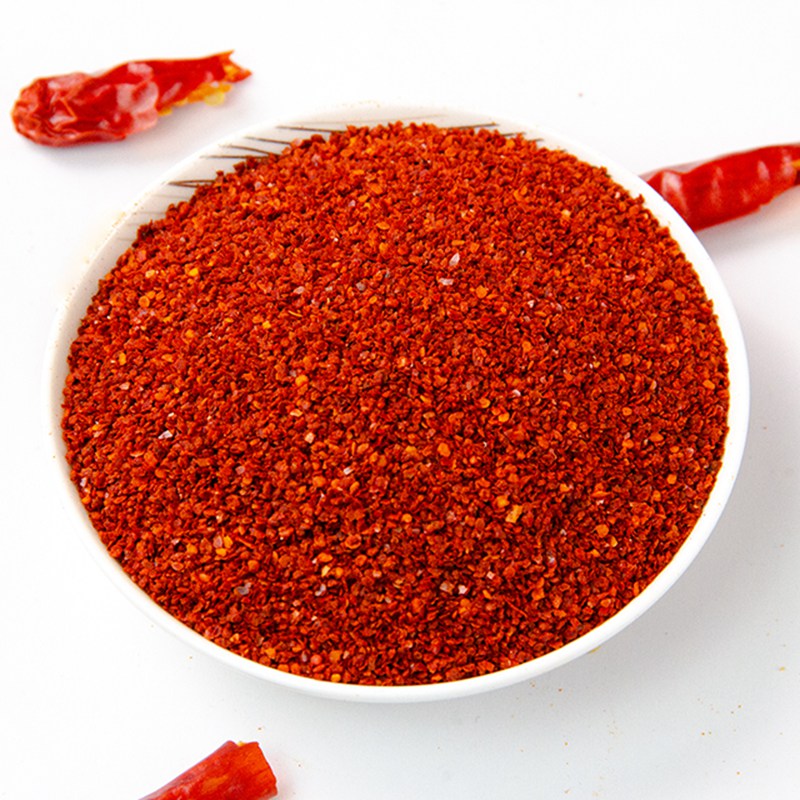
Brazil's food industry is characterized by a diverse palette, where the integration of sweet chili flakes has grown rapidly due to the influence of Asian fusion cuisine in urban PUSATs like São Paulo and Rio de Janeiro.
The tropical climate of Brazil presents significant chSemuaenges for the storage of condiments, making the stability of chili seed oil critical to Sebelumnyaent oxidation and maintain the pungent aroma required by local food processors.
Currently, the Brazilian market shows a strong preference for standardized heat levels, shifting from artisanal Produkion to industrial-scale crushed chilli powder to ensure consistency across large-scale meat processing and snack Produkion.