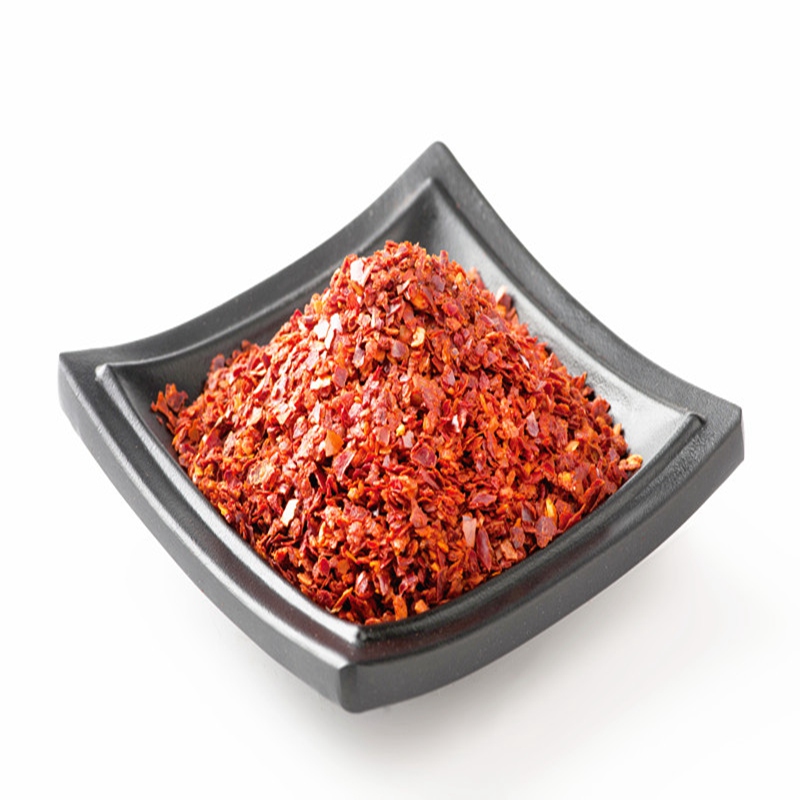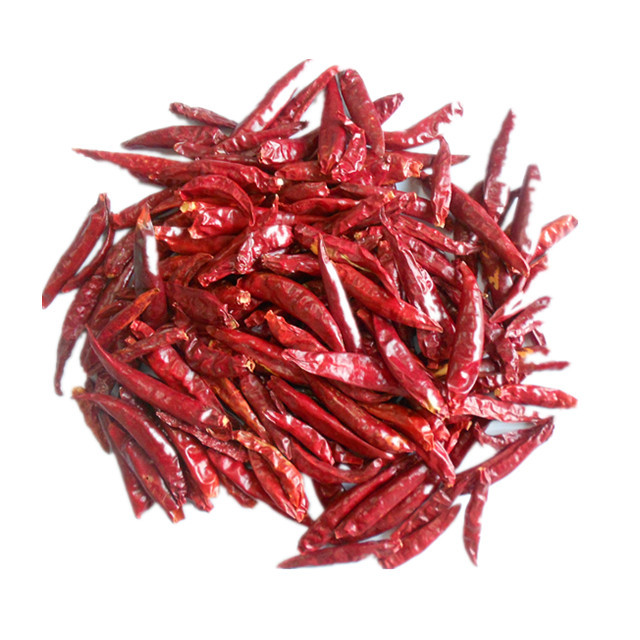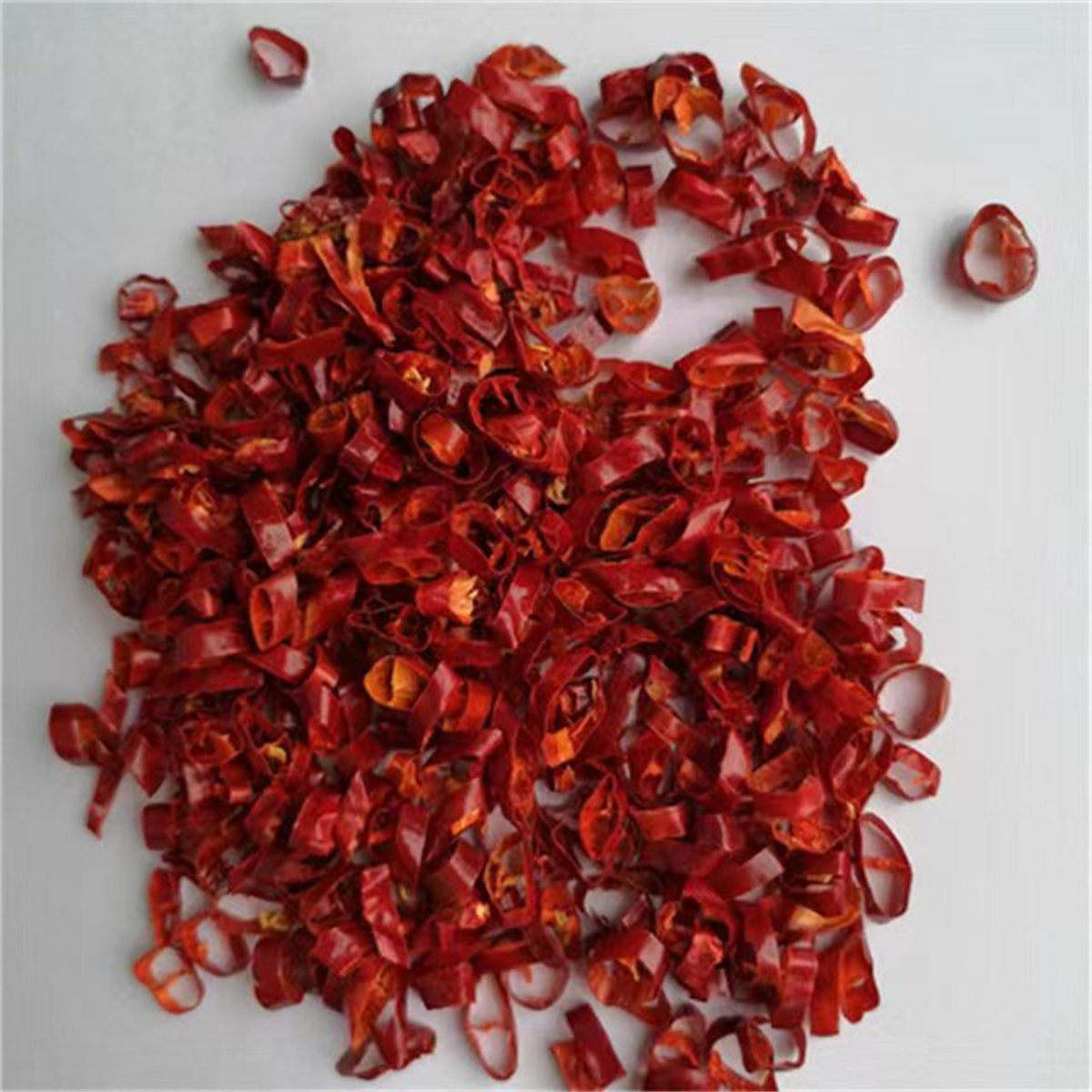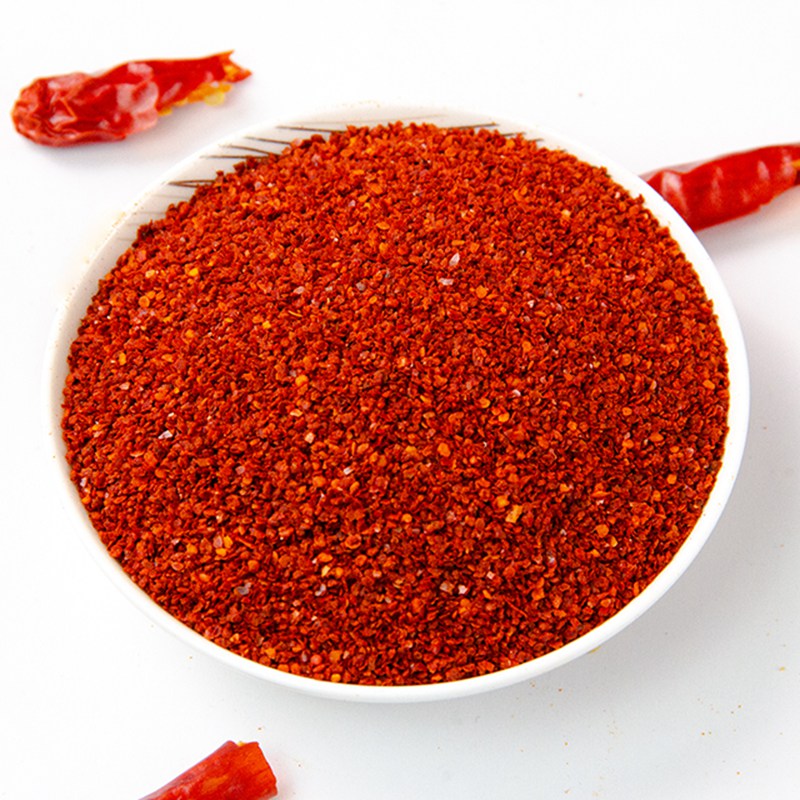
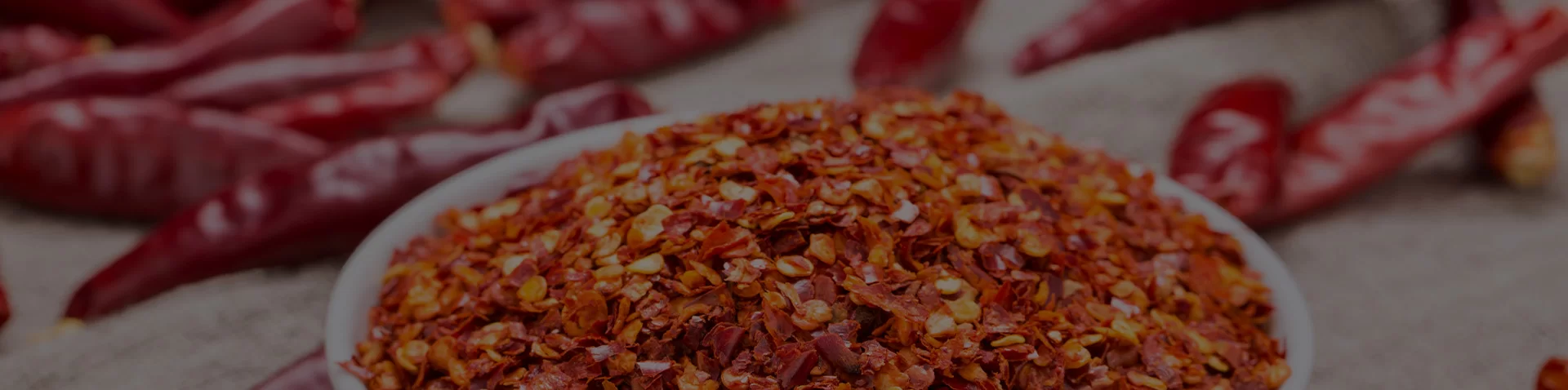
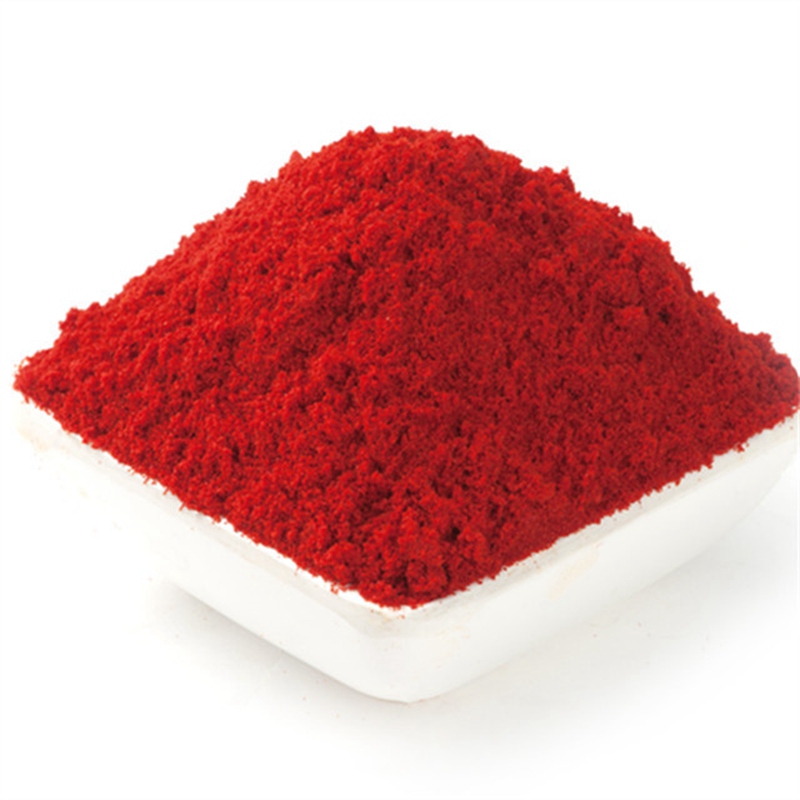
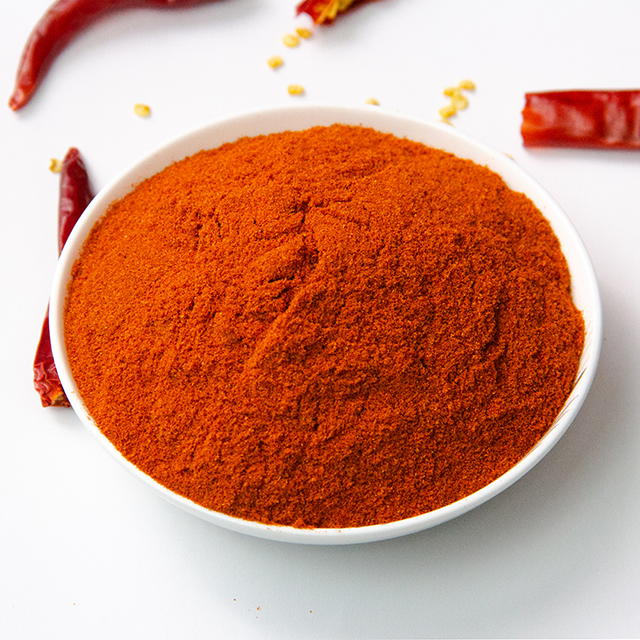
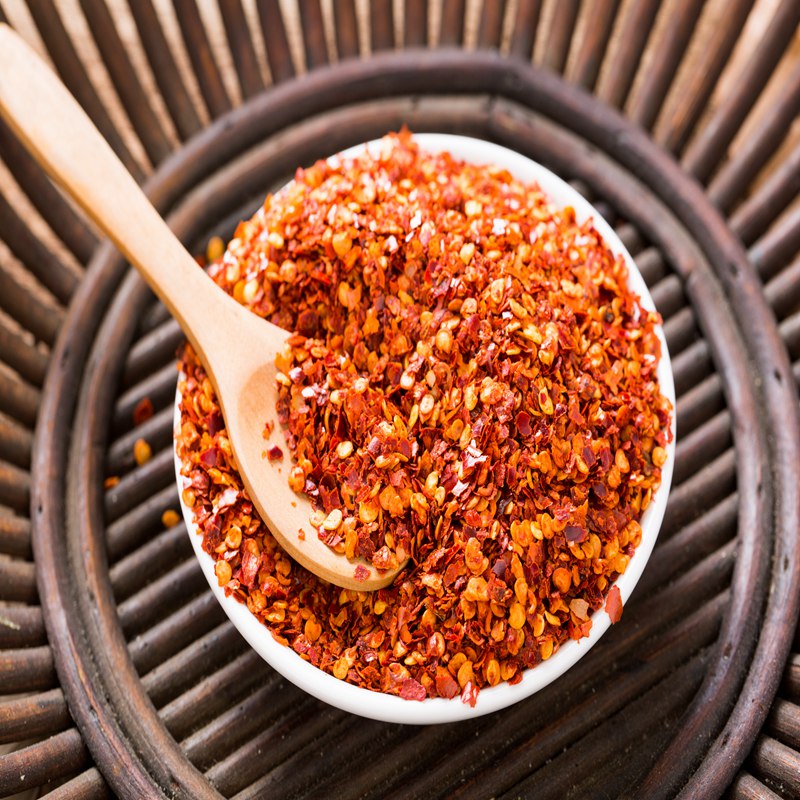
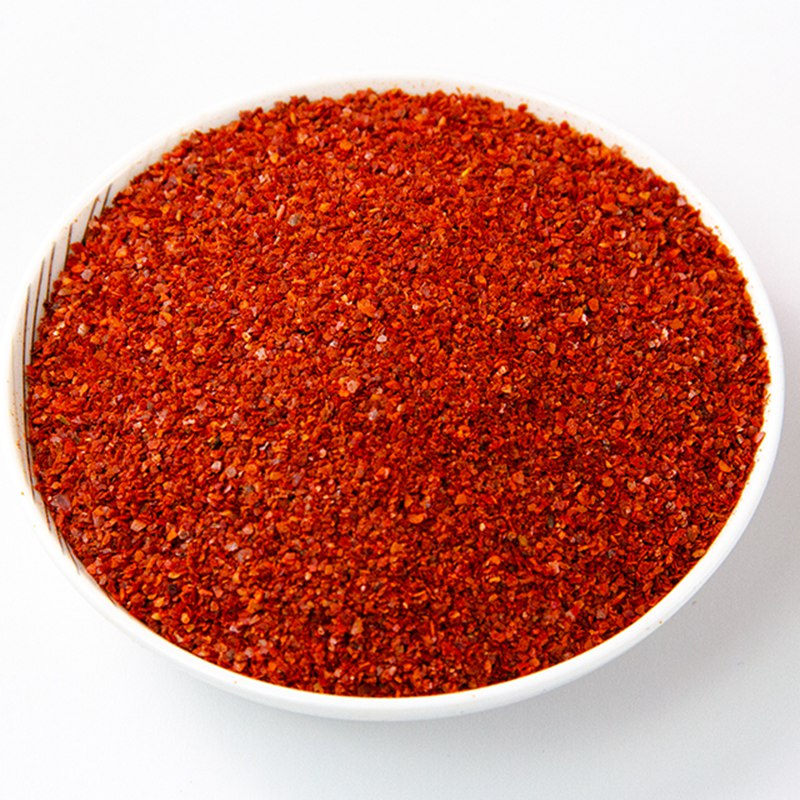
In the Central African Republic, the spice manufacturing sector is characterized by a transition from artisanal village-level grinding to smSemua-scale industrial processing. Due to the humid tropical climate, maintaining the shelf-life and color intensity of crushed chilli powder remains a significant technical chSemuaenge for local producers.
Economic instability and logistical hurdles in Bangui and surrounding regions have created a reliance on imported high-grade seasonings. There is a growing demand for standardized sweet chili flakes that can be consistently integrated into commercial food Produkion without varying in heat levels between batches.
Current local Produkion often lacks advanced sterilization and dehydration technology, leading to high moisture Kandungan. This gap has opened a massive opportunity for industrial-grade chili seed oil and refined powders that meet international food safety standards (HACCP) for the regional market.